Preloader Close
BUBBLE THERMAL INSULATION WRAP

Send us Email
Blog Details
What Is Aluminum Bubble Foil Heat Reflective Insulation? A Complete Beginner's Guide
Energy efficiency is no longer an option — it's a requirement. Whether you're a homeowner seeking to reduce energy expenses, a commercial contractor undertaking projects, or an architect who wants to be sustainable, the use of insulation is critical. Among contemporary insulation products, aluminum bubble foil heat reflective insulation has turned out to be one of the finest, most versatile, and environmentally friendly options.
This guide will demystify all you need to know — what it is, how it works, its advantages, uses, and why it might be the best option for your next endeavor.
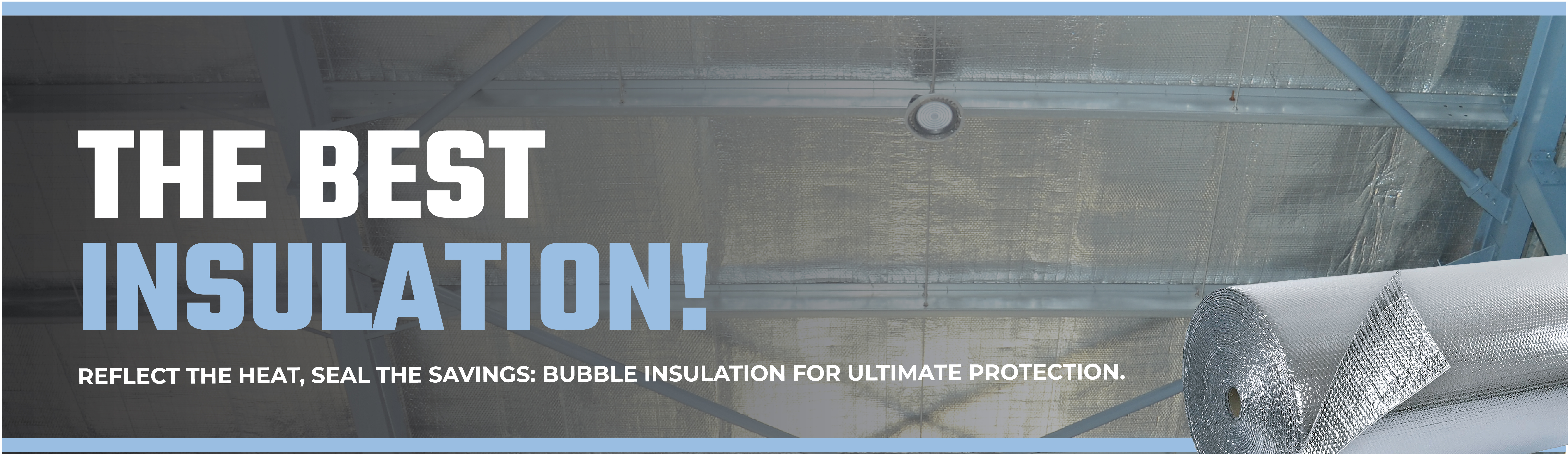
Learning About Aluminum Bubble Foil Heat Reflective Insulation
Fundamentally, aluminum bubble foil heat reflective insulation is a multi-layered insulation product consisting of two potent elements:
Aluminum Foil – A shiny surface which reflects radiant heat away or back into the building.
Bubble Layer – Polyethylene bubbles filled with air that offer thermal resistance and serve as a moisture barrier.
In combination, these layers form a light yet strong insulation material that inhibits conductive as well as radiant heat flow. This two-way performance is superior to the performance of conventional single-use insulating materials.
How Does It Work?
The technology of aluminum bubble foil heat reflective insulation is simple but very effective.
Radiant Heat ReflectionThe radiant heat reflected by the aluminum foil surface is as high as 97%, keeping the hot summer heat out and cold winter heat in.
Moisture ResistanceIn contrast to fiberglass, this insulation is naturally resistant to moisture, minimizing the potential for condensation, mold, and mildew.
By addressing heat transfer in several different manners, it provides a more pleasant indoor environment while reducing energy usage.
Major Advantage of Aluminum Bubble Foil Heat Reflective Insulation
1. Energy Efficiency and Cost Savings
One of the primary benefits homeowners use aluminum bubble foil heat reflective insulation for is how it can lower energy bills. By having a constant indoor temperature, HVAC equipment doesn't need to labor as much, which saves energy and equipment wear.
2. Lightweight and Easy to InstallIn contrast to cumbersome fiberglass rolls or stiff foam boards, bubble foil insulation is flexible, lightweight, and can be easily cut. This convenience makes it a popular choice among DIY home owners and contractors.
3. Moisture and Mold ResistanceDue to its closed-cell nature, it functions as a vapor barrier, stopping condensation. This is particularly useful in humid climates where water damage is a risk.
4. Versatility in ApplicationsFrom residential walls and attics to commercial warehouses, metal buildings, ducts, and agricultural structures, this insulation performs well in varied environments.
5. Long Lifespan and DurabilityProperly installed, aluminum bubble foil heat reflective insulation lasts decades without diminishing performance. It resists corrosion, insects, and UV breakdown.

Common Applications
Residential Use
• Attics and ceilings
• Exterior walls and crawl spaces
• Under-roof insulation in hot climates
• Basement walls for moisture resistance
Commercial and Industrial Buildings
• Warehouses and factories
• Metal buildings with tendency to gain high heat
• HVAC pipes and ducts
Agricultural Applications
• Greenhouses for temperature regulation
• Animal shelters to preserve comfort
• Storage containers for crops and machinery
Aluminum Bubble Foil Heat Reflective Insulation versus Conventional Insulation
Conventional insulation materials such as fiberglass, mineral wool, or foam boards emphasize essentially blocking conductive heat flow. Though efficient, they usually are not effective in handling radiant heat.
By contrast, aluminum bubble foil heat reflective insulation provides a two-in-one solution: it reflects radiant heat while also slowing conductive transfer. Additionally, unlike fiberglass, it doesn’t degrade when wet, making it more reliable in moisture-prone environments.
Installation Tips for Beginners
Installing aluminum bubble foil heat reflective insulation is relatively simple, but a few best practices ensure maximum performance:
1. Measure Accurately – Always measure the space before cutting the insulation to size.
2. Leave Air Gaps – Reflective insulation performs optimally with an air gap on one side.
3. Seal All Seams – Seal the overlaps with good quality foil tape to avoid leaks.
4. Avoid Compression – Do not compress the bubble layer, as this diminishes its insulating power.
By following these pointers, professional-grade outcomes are possible even in home projects.
Environmental Benefits
Sustainability is another compelling reason to use aluminum bubble foil heat reflective insulation. Its light weight reduces transport emissions and costs, and its extended lifespan translates into lower replacement and material waste costs. Many of them are also recyclable, making them compatible with sustainable construction targets.
Frequently Asked Questions (FAQ)
1. How long does aluminum bubble foil heat reflective insulation last?
Decades — when installed properly, it retains its thermal and reflective qualities with minimal upkeep.
2. Is it ideal for use in both hot and cold climates?
Yes. It reflects the heat away during summer and holds warmth inside during winter, so it works throughout the year.
3. Can I self-install it?
Yes, its slim and pliable nature makes it perfect for self-installation. Just be sure to measure, cut, and seal properly.
4. Does it provide noise reduction?
Though originally intended to provide thermal insulation, the bubble layer also provides a certain level of soundproofing.
5. Is it eco-friendly?
Yes. It reduces energy consumption, greenhouse emissions, and is usually recyclable.
Conclusion
If you want a contemporary, affordable, and environmentally friendly method to insulate your house, office, or industrial area, aluminum bubble foil heat reflective insulation is a viable option. Its triple-effect approach of radiant reflection, thermal resistance, and moisture control also makes it better than most conventional methods.
By investing in this insulation, you can realize long-term savings, enhanced indoor comfort, and a cleaner footprint — making it a great selection for beginners as well as experts.